

Innovation, Investment and the Rise of Technology-Driven Entrepreneurship
Btimes Startups | August 6, 2026
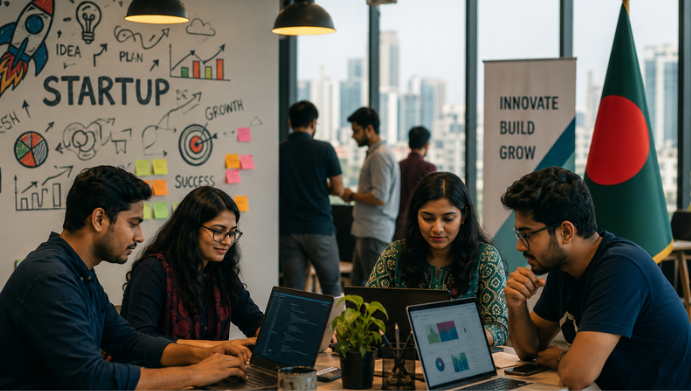
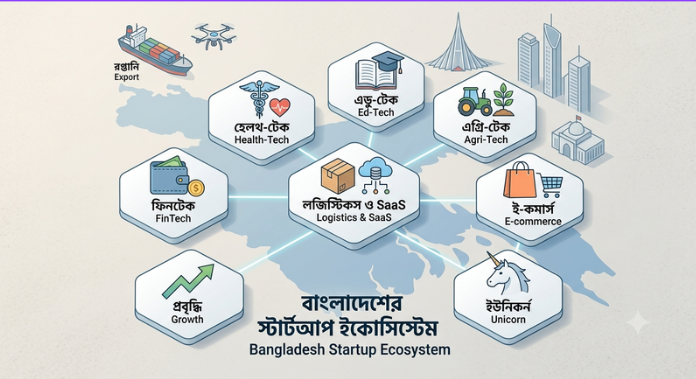
Bangladesh’s startup ecosystem has evolved from a niche entrepreneurial movement into an important pillar of the country’s digital economy. Over the past decade, startups across fintech, e-commerce, logistics, healthtech, edtech and agritech have introduced innovative business models, attracted investment and created new employment opportunities.
Several Bangladeshi startups have also secured funding from international investors, demonstrating growing confidence in the country’s entrepreneurial potential. Yet challenges remain. Access to capital, skilled talent, regulatory support and global competitiveness continue to shape the next phase of Bangladesh’s startup journey.
What Is a Startup Ecosystem?
A startup ecosystem is more than a collection of new businesses. It is a network of people and institutions that help innovative companies launch and grow.
A healthy ecosystem typically includes:
- Entrepreneurs
- Investors
- Universities
- Technology companies
- Incubators and accelerators
- Banks and financial institutions
- Government policies and regulators
Together, they create an environment where innovation can thrive.
The Growth of Bangladesh’s Startup Scene
Bangladesh’s startup ecosystem began gaining momentum after the mid-2010s, driven by rapid internet adoption, affordable smartphones, digital payments and a growing young population.
As consumer behavior shifted toward digital services, entrepreneurs introduced new solutions in areas such as:
- Online marketplaces
- Digital payments
- Online education
- Telemedicine
- Last-mile delivery
- Cloud kitchens
- Software and SaaS
These businesses have gradually transformed the country’s digital economy.
Key Startup Sectors
Several sectors are leading Bangladesh’s startup landscape today.
FinTech
Digital payments, mobile financial services, digital lending and fintech innovations continue to expand rapidly.
E-commerce
Online retail has become one of the country’s fastest-growing digital industries, covering fashion, groceries, electronics and lifestyle products.
Logistics
The growth of e-commerce has accelerated demand for modern logistics, delivery and supply chain technology.
EdTech
Digital learning platforms and online skill development services are helping improve access to education and professional training.
HealthTech
Telemedicine, digital healthcare platforms and online pharmacies are reshaping healthcare delivery.
AgriTech
Technology is improving agricultural productivity through digital advisory services, market access and supply chain innovation.
Investment Landscape
Bangladeshi startups have attracted investment from venture capital firms, angel investors and development finance institutions.
Like many emerging markets, however, Bangladesh has also experienced the impact of slower global venture capital activity in recent years.
Despite this, early-stage investment opportunities continue to emerge, supported by incubators, accelerators and innovation-focused funding programs.
Major Challenges
Although the ecosystem has grown significantly, several challenges remain.
These include:
- Limited early-stage funding
- Shortage of skilled technology professionals
- Low investment in research and development
- Regulatory and policy complexities
- Limited access to international markets
- Insufficient long-term financing
Addressing these issues will be essential for sustainable growth.
Opportunities Ahead
Bangladesh possesses several competitive advantages.
These include:
- A large and young population
- Rising internet and smartphone penetration
- Rapid adoption of digital payments
- Growing entrepreneurial culture
- Expanding digital consumer market
Emerging sectors such as Artificial Intelligence (AI), Software-as-a-Service (SaaS), Climate Tech, Cybersecurity and Deep Tech are expected to create new business opportunities in the coming years.
Government Support
The government has introduced various initiatives to encourage entrepreneurship, including digital infrastructure development, innovation programs, startup funding initiatives and technology incubation support.
Industry experts believe further progress will depend on:
- Startup-friendly regulations
- Easier business registration
- Stronger research support
- Greater university-industry collaboration
- Increased international investment
At a Glance
| Area | Current Landscape |
|---|---|
| Leading sectors | FinTech, E-commerce, Logistics, EdTech, HealthTech, AgriTech |
| Growth drivers | Young entrepreneurs, digital technology, internet and smartphone adoption |
| Key challenges | Investment, skilled workforce, policy support |
| Future opportunities | AI, SaaS, Climate Tech, Cybersecurity, Deep Tech |
Why Startups Matter
Successful startups do far more than launch new companies.
They:
- Create employment opportunities
- Encourage innovation
- Attract foreign investment
- Improve productivity
- Generate long-term economic value
Many of today’s global technology giants began as small startups with innovative ideas.
Btimes Insight
Bangladesh’s startup ecosystem stands at an important stage of development. Strong digital adoption, a young population and growing entrepreneurial ambition have created a solid foundation for innovation.
However, building a globally competitive startup economy will require more than investment alone. Access to skilled talent, research and development, supportive regulations and stronger international connections will play an equally important role.
The future of Bangladesh’s startup ecosystem is not only about creating successful companies—it is about building a knowledge-driven economy that can generate innovation, employment and sustainable economic growth for decades to come.